BIS Certification in Korea
India's rapidly growing economy, expanding middle class, and strong industrial base have made it one of the most lucrative export destinations in the world. For South Korean manufacturers, India offers an excellent opportunity to expand their footprint — especially in sectors such as electronics, automotive components, machinery, and industrial materials.
However, exporting to India requires more than just a strong product and an attractive market strategy. Korean manufacturers must comply with Indian regulatory standards to ensure that their products meet the country's stringent quality and safety benchmarks. The Bureau of Indian Standards (BIS) plays a key role in this process through the BIS Certification Scheme, which is mandatory for several products entering the Indian market.
This certification guarantees that imported goods meet India's prescribed safety, quality, and performance requirements. For foreign manufacturers, including those based in Korea, this approval is obtained under the Foreign Manufacturers Certification Scheme (FMCS).
This article offers a detailed overview of BIS certification for Korean manufacturers — explaining what it is, why it's necessary, the industries affected, the process involved, documentation, challenges, and how Sun Certifications India helps Korean exporters navigate this crucial regulatory step efficiently.
What is BIS Certification? Understanding BIS FMCS
The Bureau of Indian Standards (BIS) is India's national body for standardization, established under the BIS Act, 2016, operating under the Ministry of Consumer Affairs, Food, and Public Distribution. BIS develops standards for products and systems to ensure quality, safety, and reliability for consumers and the market.
The BIS certification process verifies that a product conforms to the relevant Indian Standard (IS) — ensuring it meets the safety, performance, and quality expectations prescribed by Indian regulations. Certified products are authorized to display the ISI mark, a symbol of trust, quality, and compliance recognized across India.
For foreign manufacturers such as those in South Korea, BIS certification is obtained under the Foreign Manufacturers Certification Scheme (FMCS). This scheme enables overseas producers to use the ISI mark after demonstrating that their products comply with the applicable Indian Standards and quality control requirements.
Under the FMCS, foreign manufacturers are required to:
- Establish an effective quality management system in their manufacturing unit.
- Appoint an Authorized Indian Representative (AIR) to interact with BIS on their behalf.
- Undergo factory audits and product testing in BIS-approved laboratories.
- Maintain post-certification compliance through regular audits and inspections.
By obtaining the BIS license, Korean manufacturers can legally export and sell their products in the Indian market, ensuring trust and transparency between brands and consumers.
Why BIS Certification is Essential for Korean Exporters
Korea is known worldwide for its technological advancement and quality-driven manufacturing ecosystem. Companies such as Samsung, LG, Hyundai, and Doosan are global leaders in innovation, producing high-quality goods across diverse sectors. Yet, when it comes to exporting these products to India, meeting local compliance requirements through BIS certification is non-negotiable.
The Government of India has made BIS certification mandatory for various products through Quality Control Orders (QCOs) issued by different ministries. Without certification, goods cannot be legally imported, marketed, or sold in India.
For Korean manufacturers, obtaining BIS certification offers multiple strategic benefits:
First and foremost, it ensures legal market entry. Indian customs authorities require BIS compliance documents before clearing shipments for sale or distribution. Secondly, BIS certification enhances consumer trust and brand reputation, as Indian consumers associate the ISI mark with quality assurance and safety.
Moreover, BIS certification provides a competitive advantage. Certified products enjoy smoother market access, fewer regulatory barriers, and improved customer perception. Korean exporters can strengthen their partnerships with Indian distributors and retailers by demonstrating full compliance with national standards.
In essence, BIS certification is not just a regulatory obligation for Korean manufacturers — it is a vital component of brand credibility and long-term success in the Indian marketplace.
Industries in Korea That Require BIS Certification
Korea's diverse manufacturing sectors contribute to a wide range of exports to India. Many of these product categories are included under BIS's mandatory certification list. Some of the most prominent sectors include:
1. Electronics and Electrical Equipment
South Korea is a global hub for consumer electronics, producing televisions, washing machines, mobile phones, and semiconductor components. Several of these electronic and electrical products fall under Compulsory Registration Scheme (CRS) or FMCS, requiring BIS approval before being imported into India.
2. Automotive Components
The automotive sector is one of the strongest links between India and Korea. Parts such as tires, braking systems, lighting components, and electric motors are subject to BIS certification to ensure safety and performance consistency.
3. Machinery and Industrial Products
Industrial tools, compressors, motors, pumps, and construction machinery manufactured in Korea are extensively used in Indian industries. BIS certification guarantees that these products meet India's safety and durability standards.
4. Steel and Construction Materials
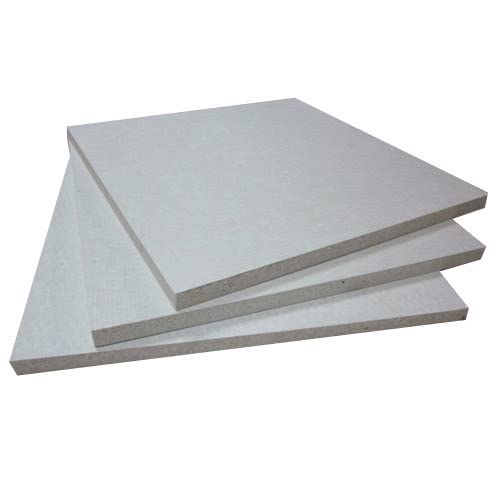
Korea's steel industry exports a significant volume of materials to India for infrastructure projects. Products like steel bars, sheets, and cement-based items often require BIS approval under respective Indian Standards.
5. Consumer Appliances and Household Products
Home appliances like air conditioners, refrigerators, and microwaves are in high demand in India. BIS certification ensures that these appliances meet energy efficiency and safety parameters before reaching consumers.
By complying with BIS regulations, Korean exporters not only ensure a smoother entry into India's vast market but also gain an edge in terms of quality assurance and customer satisfaction.
Role of Authorized Indian Representative (AIR)
For foreign manufacturers, including Korean exporters, the Authorized Indian Representative (AIR) plays a crucial role in the BIS certification process. The AIR acts as the liaison between the foreign company and BIS throughout the certification journey — from application submission to post-certification maintenance.
The AIR must be an Indian citizen or a legally registered Indian entity. Their responsibilities include:
- Managing all communications with BIS officials.
- Submitting documents, product samples, and test reports.
- Coordinating factory audits and facilitating BIS inspections.
- Handling compliance issues, renewals, and surveillance audits after certification.
Choosing a reliable and experienced AIR is essential for Korean manufacturers because any procedural delay or miscommunication can lead to the rejection or suspension of the certification. Sun Certifications India offers professional AIR services, ensuring transparent communication, timely updates, and end-to-end management for foreign clients.
BIS Certification Process for Korean Manufacturers
The BIS certification process for Korean exporters under the FMCS scheme involves several key stages. While it may seem detailed, each step ensures that products meet Indian quality standards before reaching consumers.
1. Application Preparation:
The manufacturer identifies the relevant Indian Standard (IS) applicable to their product and prepares the application form with complete technical details.
2. Appointment of AIR:
Before submitting the application, the Korean manufacturer must appoint an Authorized Indian Representative who will handle all interactions with BIS on their behalf.
3. Submission and Review:
The application, along with required documents, is submitted to BIS. The authority reviews it for completeness and accuracy.
4. Factory Inspection:
BIS officials visit the manufacturing facility in Korea to assess the production process, equipment, and quality control measures. This ensures the manufacturer's capability to produce consistently compliant products.
5. Product Testing:
During or after the audit, product samples are drawn and sent to BIS-recognized laboratories in India for testing as per the specified Indian Standard.
6. Evaluation and Grant of License:
If the audit and testing results are satisfactory, BIS grants the certification license, allowing the use of the ISI mark on the product and packaging.
7. Post-Certification Surveillance:
BIS conducts periodic surveillance audits and product re-testing to ensure continuous compliance with Indian Standards.
The typical timeline for obtaining BIS certification is around 30 days for Indian manufacturers and up to 180 days for foreign manufacturers, depending on the complexity of the product and test results.
Documents Required for BIS Certification in Korea
To complete the BIS certification process, Korean manufacturers must submit a set of technical, legal, and procedural documents, including:
- Business registration certificate or manufacturing license.
- Details of the manufacturing process and quality control systems.
- Product design drawings, specifications, and safety data.
- Test reports (if available) as per relevant Indian Standards.
- Appointment letter and authorization for the Indian Representative.
- Declaration of conformity to BIS requirements.
- Details of raw materials and suppliers.
- Copy of ISO 9001 or equivalent certification (if applicable).
Providing accurate and comprehensive documentation ensures a faster evaluation and minimizes the chances of queries or rejections from BIS.
Challenges Korean Exporters Face with BIS Certification
While Korean manufacturers maintain world-class production standards, obtaining BIS certification can present certain challenges when entering the Indian market.
One major issue is standard alignment — Korean Industrial Standards (KS) may differ from Indian Standards (IS), requiring additional product testing or modification. The language barrier and procedural differences can also make documentation and communication with Indian authorities complex.
The factory audit requirement can be time-consuming, especially when coordinating schedules between BIS officials and Korean manufacturers. Additionally, logistical hurdles related to shipping product samples to India for testing can cause delays.
Post-certification, maintaining continuous compliance is also essential, as BIS conducts regular surveillance audits and may withdraw certification if standards are not met.
These challenges underline the importance of having a reliable compliance partner who understands both Korean and Indian regulatory systems.
How Sun Certifications India Supports Korean Businesses
Sun Certifications India is specializing in assisting foreign manufacturers — including those from South Korea — to obtain BIS certification efficiently.
With deep expertise in Indian regulatory standards and strong coordination with BIS authorities, Sun Certifications India simplifies the entire certification process through end-to-end support.
The firm offers comprehensive services such as:
- Identification of the applicable Indian Standard (IS) for products.
- Acting as the Authorized Indian Representative (AIR).
- Preparation and submission of accurate documentation.
- Coordination for factory inspections and product testing.
- Handling renewals, audits, and compliance maintenance post-certification.
By partnering with Sun Certifications India, Korean manufacturers can avoid procedural complexities, save time, and ensure smooth entry into the Indian market — while focusing on their core business operations.
BIS Certification Cost Structure for Korea
Overview of BIS Certification Costs
Securing a BIS certificate under the Foreign Manufacturers Certification Scheme (FMCS) involves several types of costs. These cover everything from application submission and audits to product testing and mark usage.
Foreign manufacturers must budget adequately to ensure timely payments, as failure to pay can lead to rejection of BIS certification mid-way.
Conclusion
As trade between India and South Korea continues to grow, BIS certification has become an essential requirement for Korean exporters aiming to tap into India's vast and diverse market. This certification not only ensures compliance with Indian regulations but also builds consumer confidence, enhances product credibility, and provides a competitive edge.
Understanding the BIS FMCS process, documentation requirements, and regulatory expectations can be challenging, especially for foreign manufacturers. That's where expert support from Sun Certifications India makes all the difference.
By offering expert guidance, acting as an Authorized Indian Representative, and managing the entire certification process from start to finish, Sun Certifications India enables Korean businesses to enter the Indian market seamlessly and compliantly.
In an era where quality, trust, and compliance drive global trade, BIS certification is more than a legal formality — it's a symbol of reliability and a gateway to new opportunities for Korean manufacturers in India.
Dhruv Aggarwal
Head of Operations at Sun Certifications India
Experience: 10+ years & Handled 1000+ projects
Awarded by many Indian and International organisations








PT Quty Karunia, BIS Licensee in Vietnam
“Sun Certifications India provided excellent BIS Certification services. Their unparalleled service and sincerity gained our trust. One of the best BIS consultants in India!”

Thantawan Industries Ltd, BIS Licensee in Thailand
“Sun Certifications India supported us throughout the BIS certification process. Their responsive customer service and punctuality are exceptional. Highly recommend for hassle-free BIS certification.”

Leaderart Industries, BIS Licensee in Malaysia
“Sun Certifications India helped us acquire BIS Certification, doubling our engagement in India. Their services are fast, genuine, and up-to-date with latest BIS norms.”

Aluminium Bahrain (ALBA), BIS Licensee in Bahrain
“Excellent BIS certification support, highly reliable consultants.”

Bahrain Aluminium Manufacturing Company, BIS Licensee in Bahrain
“Smooth BIS registration process with expert consultants.”

Daiki Aluminium Japan, BIS Licensee in Japan
“Efficient BIS license assistance, great consultants.”

Trimble Navigation, BIS Licensee in USA
“Seamless BIS certification and registration support.”

Remsa Italia, BIS Licensee in Italy
“Helpful BIS consultants, simplified license process.”

Aquazzura, BIS Licensee in Italy
“We got our BIS certificate well within the timelines and at affordable prices, great work team Sun!”

PT Quty, BIS Licensee in Indonesia
“Excellent BIS registration service, highly recommended.”

Danu Vina, BIS Licensee in Vietnam
“Reliable BIS license consultants, fast process.”

Hanh My Production Company, BIS Licensee in Vietnam
“Expert BIS consultants, certification made easy.”

Sedo Vina, BIS Licensee in Vietnam
“Smooth BIS certificate registration, great support.”

Misumi Japan, BIS Licensee in Japan
“Trusted BIS consultants, quick certification process.”

Thantawan Public Industry Company, BIS Licensee in Thailand
“Professional BIS certification service, very efficient.”

Cortizo Aluminios, BIS Licensee in Spain
“Excellent BIS registration and license guidance.”

Midal Cables, BIS Licensee in Bahrain
“Expert BIS consultants, smooth certification process.”
Years Exp.
Our Clients
Success Rate
Countries Served
Our team brings 10e4+ years of experience in CDSCO and BIS compliance.
We reduce approval time by up to 40% with streamlined processes.
100% success rate with 1500+ successful registrations.
Dedicated account manager ensuring personalized service.
Leave your details below and our experts will call you back within 24 hours to discuss your regulatory compliance needs.
By submitting this form, you agree to our Privacy Policy and consent to being contacted.